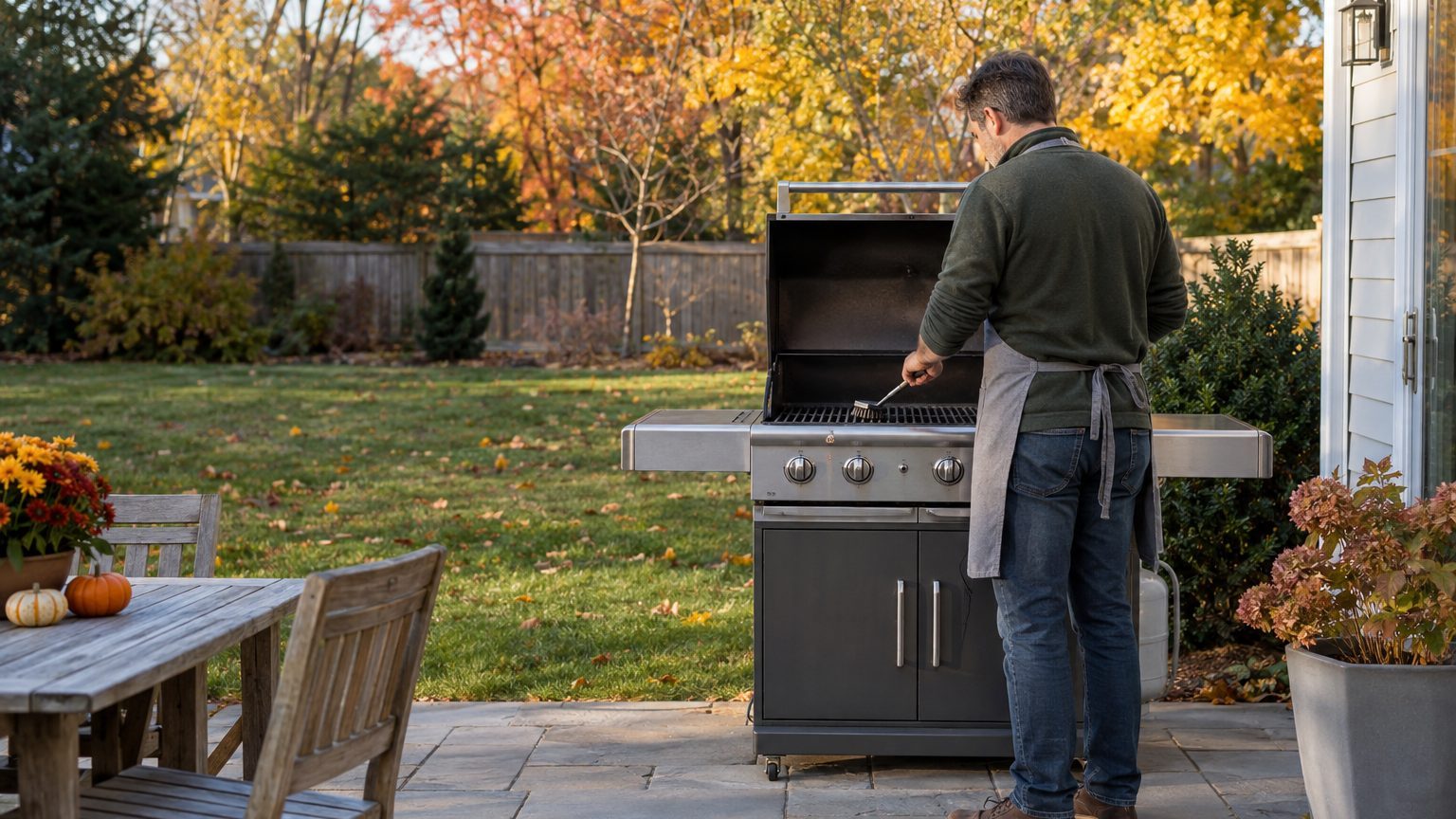
How to clean a grill comes down to three habits: scrape the grates after every cook, wash them monthly, and strip the whole machine down once or twice a season. The scraping tool matters more than most people think. A University of Missouri study estimated 1,698 emergency department visits nationwide for wire-bristle injuries between 2002 and 2014.
One in four of those patients had to be admitted to the hospital.
The real number is probably higher, since the study left out urgent care and other outpatient settings. Most injuries hit the mouth and throat, though in rare cases a hidden bristle caused stomach or intestinal damage. One surgical case report described a woman whose abdominal pain turned out to be a wire bristle perforating her small intestine after a hamburger cooked on a home grill. A later analysis of 2015 to 2023 data found cases still turning up, peaking in summer.
The ten-minute routine after every cook
Start with heat. Once the food is off, turn the burners to high with the lid open (on a charcoal grill, spread the coals out) and let the grates burn for about 15 minutes. Grease and stuck-on bits turn into brittle carbon that comes off in a pass or two.
Then scrape while the grates are still good and hot. A coil-shaped bristle-free brush, a pumice-style grill stone, a nylon brush, a wooden scraper or a ball of crumpled foil held in long tongs all do the job. Stainless and cast iron can take a firm scrub, but metal scrapers and wire brushes can damage porcelain-coated grates, so use a soft-bristle or nylon tool there. Some pit masters even swear by half an onion.
Still loyal to your wire brush? Check it before each use, toss it if bristles are missing or the head looks worn or warped, and run a hand over the cooled grates before the next cook.
Finish with a paper towel of vegetable oil, held in tongs.
The monthly soak that resets the grates
Burn-off handles the daily mess, but it won’t touch the film that builds up over weeks. Once a month, pull the grates, drop them into hot, soapy water and give them about 10 minutes. Scrub with a coil brush, grill stone or crumpled foil, then rinse with clean water.
Tall grates that won’t fit in the tub get done in halves. Soak and scrub one end, refill with fresh hot, soapy water, then flip them. Drying matters as much as washing, because damp iron rusts quickly. Towel the grates off completely, and wipe on a light coat of oil before they go back in.
Michigan State University Extension points out that a dirty grill can alter food flavors and create excess smoke. After a winter in storage, the soak also clears whatever lingered over the cold months.
The seasonal deep clean, grill by grill
Gas grills get the most involved treatment. Shut off the gas, disconnect the propane tank and wait until every surface is cold. Lift out the grates and the flavorizer bars or heat shields, and brush off the buildup. Some surface rust on the bars comes from food drippings and is not a sign of damage.
Burners deserve the closest attention. Remove them if you can, check for blockages, and scrub the tubes side to side rather than up and down so the gas ports end up clear. Clogged burners can lead to uneven cooking and premature burner failure. The V-shaped covers above them clean up with hot, soapy water and a little baking soda on the sponge.
Wash the lid and firebox with mild dish soap, then rinse.
Charcoal grills are simpler. Dump the cold ash, wash the bowl and lid with dish soap and a brush, and oil the grates before closing it up. For a pellet grill, shut it off, let it cool completely, vacuum the loose ash and debris (including inside the burner area), and scrub the drip pan and the chimney.
Reassemble only when every part is dry. A microfiber cloth works, or you can run the grill on low heat for a few minutes. Light it for a minute afterward to confirm the flames burn evenly across the burners.
The brush needs washing too, since food trapped between bristles can breed bacteria. The easiest fix is cleaning it with a second brush. If you own an electric grill brush, replace its heads every grilling season or after 100 uses. Between cookouts, hang any brush upside down indoors so the weather doesn’t wear it out.
Sources: bottomlineinc.com | consumerreports.org | facs.org